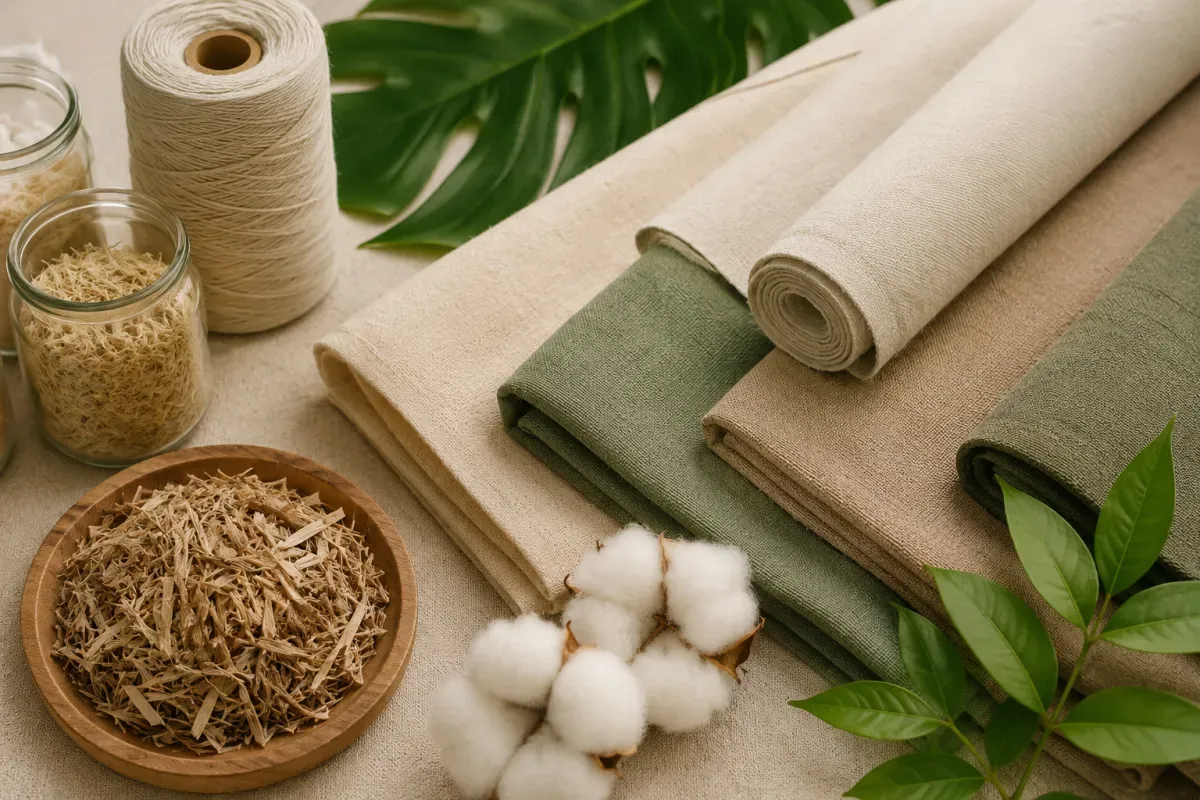
Sustainable materials
Support for recycled fabrics, responsible fibers, certified materials, and material development through verified manufacturing facilities.

Sustainability and compliance
KakaClo manages integrated manufacturing operations through dedicated production facilities in China, Vietnam, and India, supporting internationally recognized compliance standards, traceable supply chains, and social, environmental, product, and country-specific requirements.

Responsible manufacturing footprint
Download the PDF profile for manufacturing facility assessment, sustainability review, compliance briefing, and buyer onboarding discussions.
Download Sustainability & Compliance ProfileWhy it matters
KakaClo helps brands meet retailer and destination-market compliance requirements through integrated manufacturing operations, audited facilities, certified material options, quality control systems, and transparent production processes.
From material selection and pre-production review to inline inspection, final quality checks, packing, and shipment documentation, each program is managed with clearer checkpoints so buyers can protect product integrity and reduce compliance risk.
Documentation, testing coordination, certification references, factory audit visibility, and shipment records can be prepared around the needs of each customer program. The result is a more organized path from design confirmation to compliant delivery.
Sustainability focus
Support for recycled fabrics, responsible fibers, certified materials, and material development through verified manufacturing facilities.

Supply chain visibility across factories, production facilities, materials, documentation, and production milestones.

Programs can incorporate carbon footprint reduction, energy consumption reduction, and water usage reduction priorities.
Responsible manufacturing framework
KakaClo reviews programs inside its manufacturing facilities by category capability, machine availability, line planning, quality checkpoints, compliance needs, and delivery performance. Buyer briefs are matched to the right facility setup before production begins.
Materials and trims are sourced from qualified and certified vendors where programs require GRS, RCS, GOTS, OEKO-TEX, FSC, recycled content, organic fiber, chemical safety, or buyer-specific documentation.
Manufacturing teams help buyers identify recycled fabrics, organic fibers, lower-impact blends, certified trims, and verified material options that align with sustainability targets, garment performance, cost, and production feasibility.
KakaClo supports facility documentation, audit status tracking, corrective-action follow-up, workplace records, and customer-specific social compliance requirements so buyers can reduce risk before and during production.
For programs with restricted substance requirements, KakaClo supports testing report coordination, OEKO-TEX-related material direction, chemical safety checks, and buyer RSL documentation workflows.
Packaging can be specified around recycled polybags, reduced packaging volume, paper-based options, responsible labeling, carton optimization, and destination-market documentation where required.
AI and 3D innovation
KakaClo uses AI trend forecasting, 3D design review, and digital development workflows to help buyers make earlier product decisions, reduce unnecessary sample rounds, support reduced sample waste, and align design, manufacturing, compliance, and production teams faster.
Digital review helps clarify silhouette, construction details, trim placement, measurement expectations, and assortment direction before physical samples and production handoff. It improves development speed while keeping workmanship, fit, material performance, and compliance checks inside the normal manufacturing review process.
Design, merchandising, technical, and production teams can align before bulk production moves forward.
Compliance support
KakaClo coordinates facility documentation, testing reports, compliance audits, sustainability certifications, certified vendor documents, and country-specific requirements so buyers can build programs with clearer risk control.
Certification availability can vary by manufacturing facility, product category, material selection, and customer requirements. KakaClo supports buyer review by organizing the relevant records early in development and keeping documentation aligned through production and shipment.





Factory Code of Conduct
KakaClo sets clear expectations across its manufacturing facilities for lawful employment, safe working conditions, respect for workers, responsible environmental practices, and transparent production documentation.
These expectations are reviewed through onboarding, production planning, quality control, audit readiness, corrective-action follow-up, and customer documentation requests. The framework helps keep responsible manufacturing part of the daily production rhythm, not a separate afterthought.
No child labor, no forced labor, lawful working hours, wage compliance, and respect for worker rights are required across production programs.
Facilities are expected to maintain safe working conditions, production-floor controls, emergency readiness, and clear workplace management practices.
Programs can include material efficiency, responsible packaging, waste reduction, chemical safety, and lower-impact material direction where required.
Audit files, testing reports, production records, shipment documents, and corrective-action updates can be organized for buyer review.
Modern Slavery Statement
KakaClo is committed to preventing forced labor, human trafficking, and unethical labor practices across its manufacturing operations and material supply base.
KakaClo supports buyer review processes with documentation, traceability, facility compliance visibility, and coordinated manufacturing operations management.
Facilities and certified vendors are expected to comply with applicable labor laws, internationally recognized human rights principles, and customer-specific responsible sourcing requirements.
Responsible materials available
KakaClo helps buyers evaluate fabric options by category, performance, hand feel, certification needs, target cost, and destination-market requirements. Availability depends on manufacturing facility capability, material certification, MOQ, and customer program specifications.
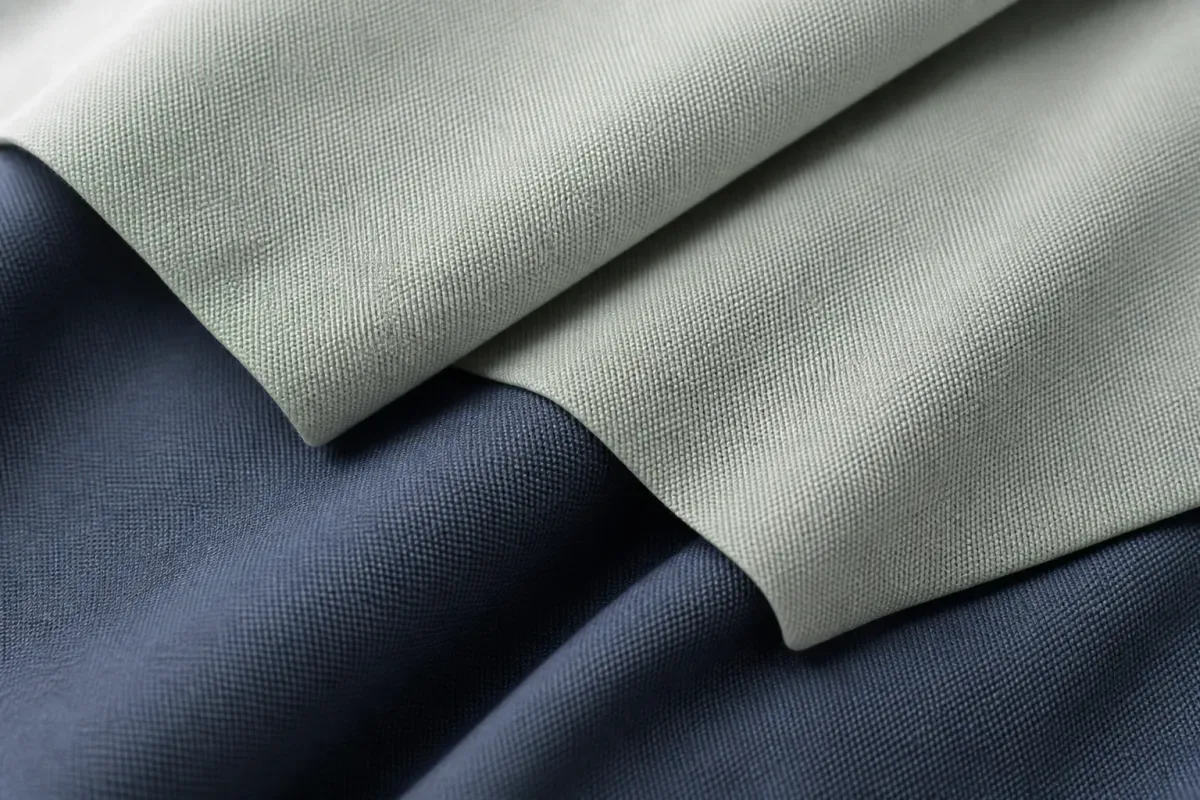
Recycled polyester and recycled nylon can be sourced from recovered synthetic inputs such as plastic bottles, fishing nets, carpet waste, and other post-consumer or post-industrial materials.
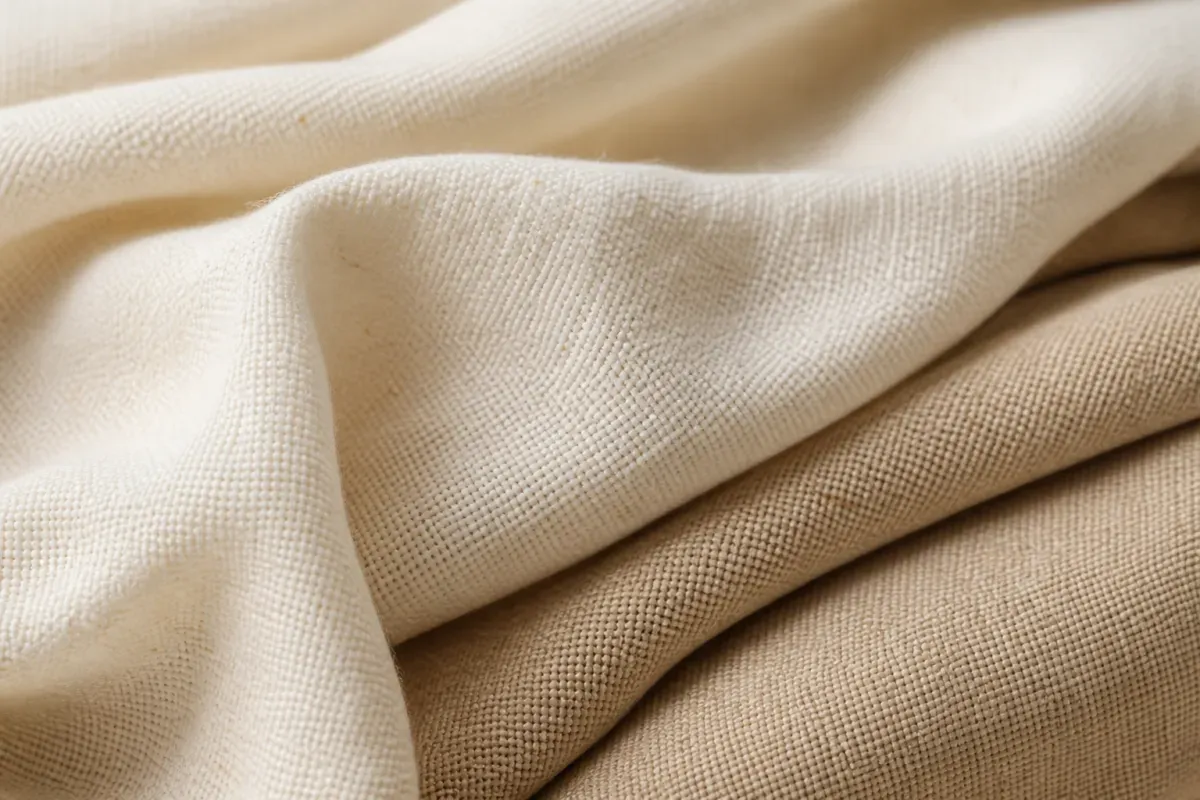
Organic cotton is soft, breathable, durable, and produced to organic agricultural standards without the use of harmful conventional farming chemicals.

Tencel and Modal are known for natural comfort, smooth hand feel, breathability, and versatility across womenswear, activewear, dresses, tops, and soft layering pieces.
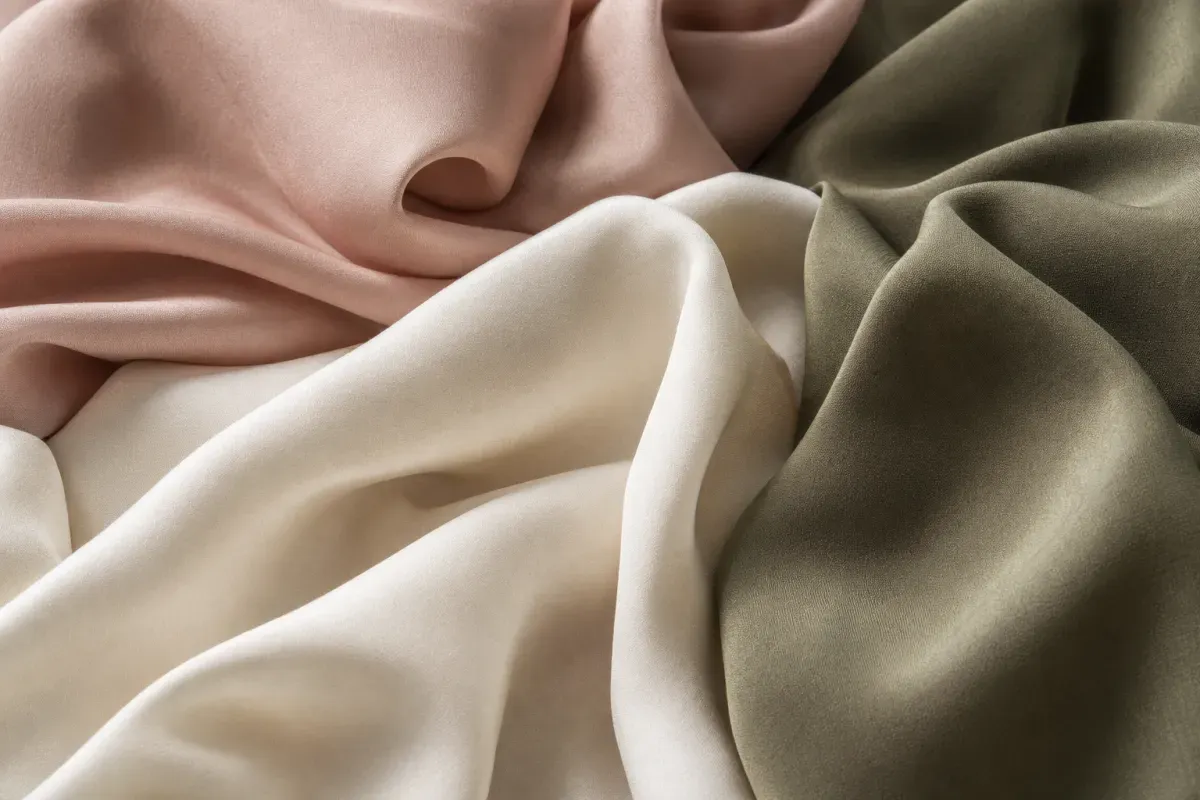
Ecovero is a more responsible viscose option made from wood sourced from managed forestry. It offers a soft, silky touch and refined drape suitable for dresses, blouses, and ladieswear.
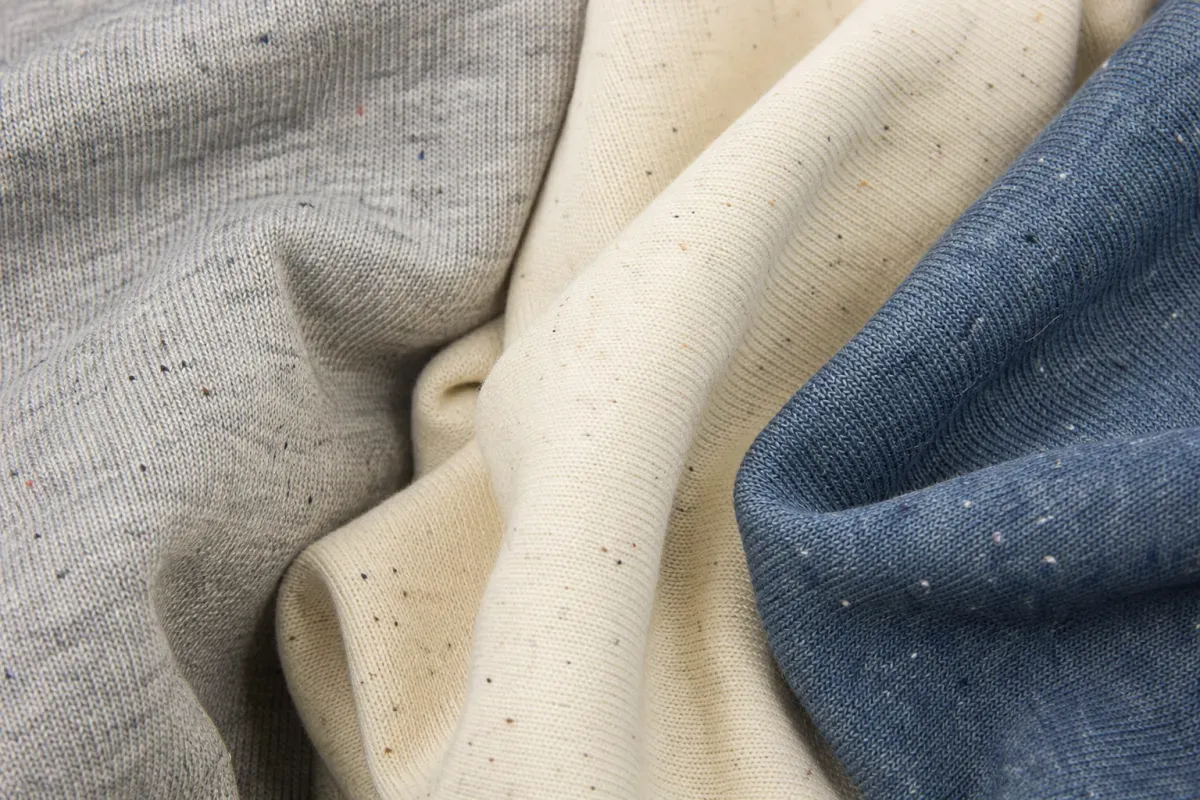
Recycled cotton uses recovered cotton waste from cutting rooms, textile production, or post-consumer garments and converts it into reusable fiber for casualwear, knitwear, and denim blends.
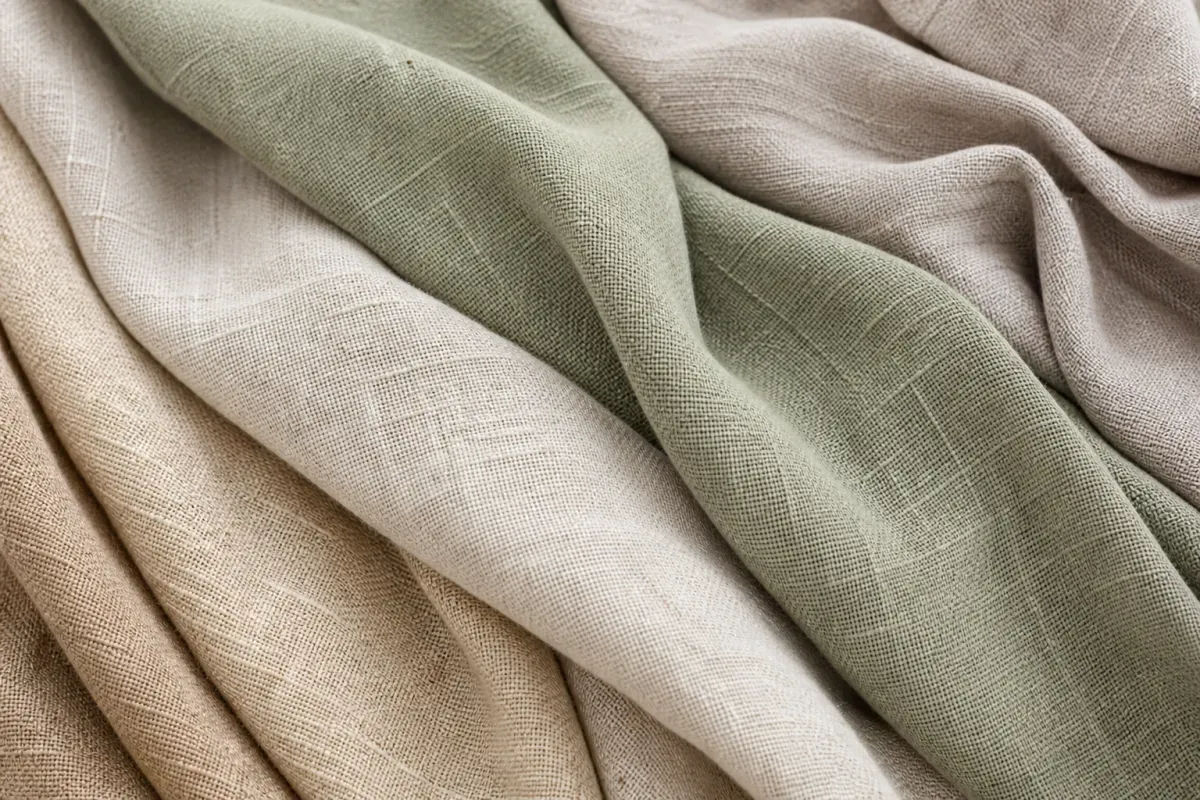
Linen, hemp, and ramie are plant-based fibers valued for breathability, texture, strength, and long-lasting wear for summer apparel, shirts, dresses, and natural-fiber collections.